El Albergue Migrante Morelia Proporciona un Salvavidas
Albergue Migrante Morelia Provides a Lifeline
Without the help of the Albergue, Paco might still be lost on the streets in Mexico
Paco couldn’t move ahead. He couldn’t go back. The only dream he had left was to see his wife and the baby he’d last held as an infant. What was that little girl like now, a 9 year-old? Leaving Honduras for the US was the one hope they’d had for supporting her, for supporting them all. Paco would go, find work of any kind, send money home. He could take care of the family.
Eight years later, still in Mexico, he gave up. He never made it past the US border, though he tried many times. Now all he wanted was to go home. But he couldn’t.
He’d circled around Mexico, moving from city to city working construction jobs to get the money and make the contacts for crossing the border. He sent as much money as he could back home, so he could not accumulate much. Then, six months ago, he fell severely ill, was taken to the hospital by his boss, and abandoned. None of his few possessions were returned to him at discharge: not his money, not his phone, and not any of his documents. He had nothing left. And no passport or papers to get him home.
Paco’s story is sad but, unfortuantely, not unusual. The Mexico-US migration corridor is by far the world’s largest. As deportations increase from the US, and caravans form in Central America to help thousands of migrants cross the Darien Gap and move northward, Mexico has become a center of migrants in transit — in transit north, in transit south, or circling around, like Paco. According to UN data, in 2022, around 450,000 people moved through Mexico irregularly, and the number of migrant detentions in Mexico has dramatically increased, from 300,000 in 2021 to almost 700,000 in 2023. It’s a situation full of hazards, and migrants often become victims of crime and other abuses.
With a Helping Hand, Paco’s Story Changed
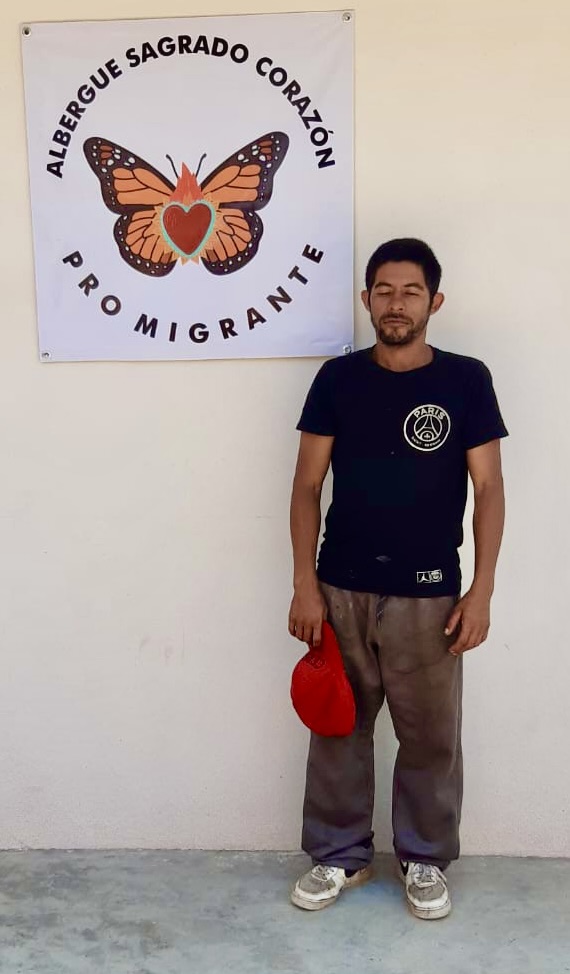
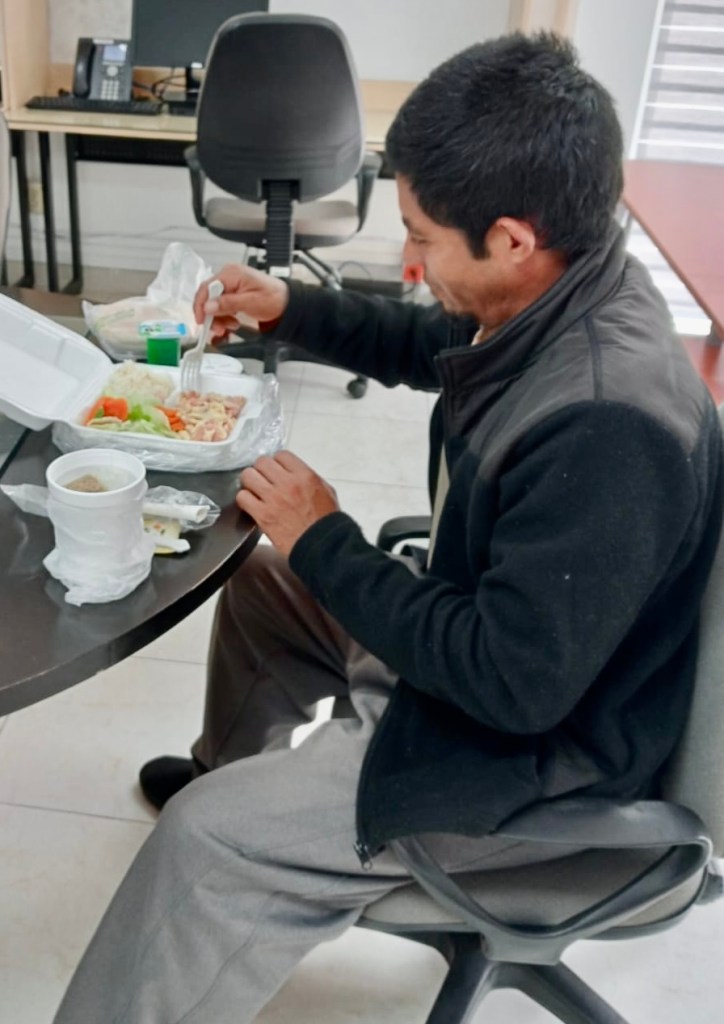
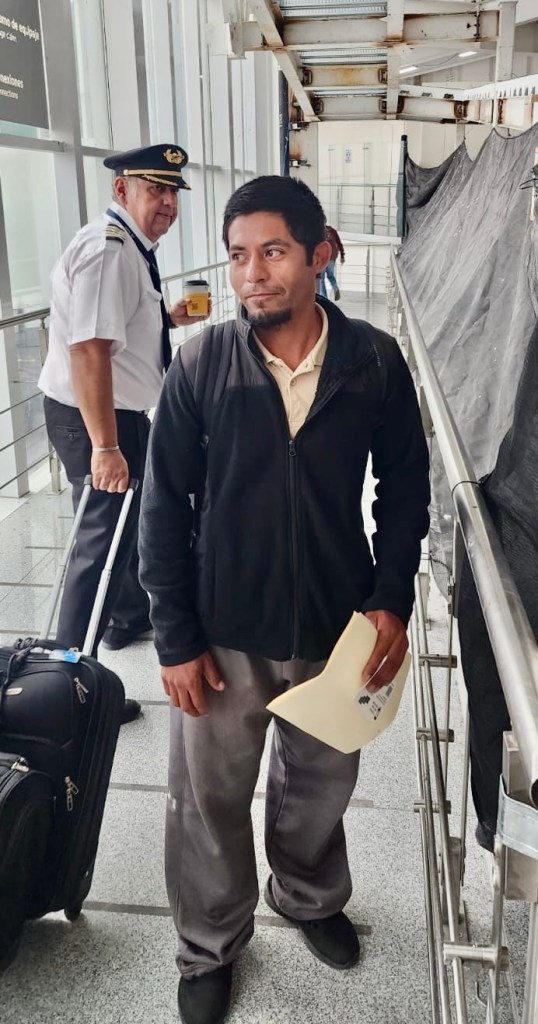
Paco’s story, though, became a story of help and hope when he was brought by Immigration officials in Morelia to the Albergue. Though still fundraising to get the doors officially open, the Albergue team welcomed Paco, provided him a safe place to stay in the new dormitory — with a real bed and new roof! — and pulled together resources for daily comida. And found the support for him to take the steps he wanted to take: to get home to his wife and daughter. Over ten days, Paco went from undocumented migrant wandering Mexico, to having the papers he needed and an airplane ticket home to his family — thanks to the hard work of Miguel, Albergue Director, and the critical legal support Miguel obtained on Paco’s behalf. On July 20, Paco was on his way.
This is what the Albergue’s mission is all about. The words say, «provide comprehensive services to migrants, refugees, and deportados in transit through Morelia, to enhance their quality of life and promote human rights.»
What that means in human terms is helping the Paco’s and the thousands like him, during a time of stress, vulnerability, and, quite possibly, desperation. Helping not only with respite, food, and shelter, but also with the supports needed — legal, medical, psychological — to regain their strength and dignity and move ahead.
Please visit alberguemigrantemorelia.org for more information, and to see how you can help.
El Albergue Migrante Morelia proporciona un salvavidas
Sin la ayuda del Albergue, Paco seguiría perdido en las calles de México
Paco M. no podía seguir adelante. No podía volver atrás. El único sueño que le quedaba era ver a su mujer y al bebé que había tenido en brazos por última vez cuando era un bebé. ¿Cómo era ahora esa niña de 9 años?
Irse de Honduras a Estados Unidos era la única esperanza que les quedaba para mantenerla, para mantenerlos a todos. Paco iría, encontraría trabajo de cualquier tipo, enviaría dinero a casa. Podría cuidar de la familia.
Pero 8 años después, todavía en México, se dio por vencido. Nunca consiguió pasar la frontera con Estados Unidos, aunque lo intentó muchas veces. Ahora lo único que quería era volver a casa. Pero no podía.
Había dado vueltas por México yendo de ciudad en ciudad trabajando en la construcción para conseguir el dinero y hacer los contactos necesarios para cruzar la frontera. Enviaba a casa todo el dinero que podía, así que no pudo acumular mucho. Entonces, hace seis meses, cayó gravemente enfermo, su jefe lo llevó al hospital y lo abandonó. Al ser dado de alta, no le devolvieron ninguna de sus pocas posesiones: ni su dinero, ni su teléfono, ni ninguno de sus documentos. No le quedó nada. Y sin pasaporte ni papeles para volver a casa.
La historia de Paco es triste, pero, por desgracias, no es inusual. El corredor migratorio México-Estados Unidos es, con diferencia, el mayor del mundo. A medida que aumentan las deportaciones desde Estados Unidos y se forman caravanas en Centroamérica para ayudar a miles de migrantes a cruzar el Paso del Darién y avanzar hacia el norte, México se ha convertido en un centro de migrantes en tránsito: en tránsito hacia el norte, en tránsito hacia el sur o dando vueltas, como Paco. Según datos de la ONU, en 2022, alrededor de 450.000 personas transitaron por México de forma irregular, y el número de detenciones de migrantes en México ha aumentado drásticamente, de 300.000 en 2021 a casi 700.000 en 2023. Es una situación llena de peligros, y los migrantes a menudo se convierten en víctimas de delitos y otros abusos.
Con una mano amiga, la historia de Paco cambió
Sin embargo, la historia de Paco se convirtió en una historia de ayuda y esperanza cuando los funcionarios de inmigración de Morelia lo llevaron al Albergue.
Aunque todavía estaban recaudando fondos para abrir las puertas oficialmente, el equipo del Albergue acogió a Paco, le proporcionó un lugar seguro donde alojarse en el nuevo dormitorio -¡con una cama de verdad y un techo nuevo! — y reunió recursos para la comida diaria. Y encontró el apoyo para dar los pasos que quería dar: volver a casa con su mujer y su hija.
En diez días, Paco pasó de ser un inmigrante indocumentado que vagaba por México a tener los papeles que necesitaba y un billete de avión para volver a casa con su familia, gracias al duro trabajo de Miguel, el Director del Albergue, y al apoyo jurídico fundamental que Miguel consiguió en nombre de Paco. El 20 de julio, Paco estaba en camino.
En esto consiste la misión del Albergue. Las palabras dicen: «proporcionar servicios integrales a migrantes, refugiados y deportados en tránsito por Morelia, para mejorar su calidad de vida y promover los derechos humanos». Lo que eso significa en términos humanos es ayudar a los Paco y a los miles como él, durante un momento de estrés, vulnerabilidad y, muy posiblemente, desesperación. Ayudar no sólo con respiro, comida y refugio, sino también con el apoyo necesario -legal, médico, psicológico- para recuperar su fuerza y dignidad y seguir adelante.
Visite alberguemigrantemorelia.org para obtener más información y ver cómo puede ayudar.
 Albergue Sagrado Corazón Pro Migrante IAP
Por favor deje sus comentarios. // Please leave your comments.